What to Do After a Car Accident in LaFollette, TN
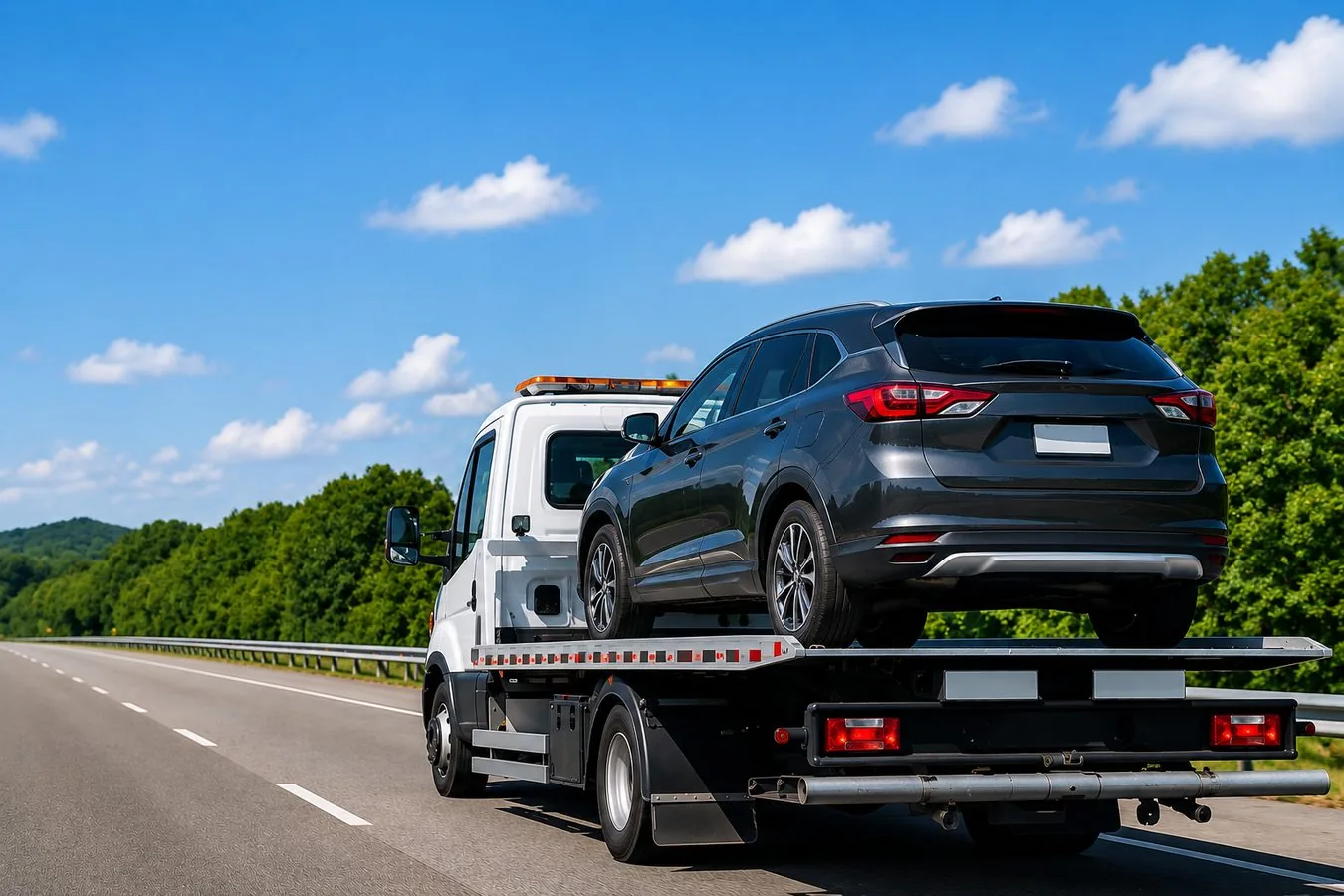
A car accident can turn an ordinary drive down US-25W or a busy stretch of I-75 into one of the most stressful moments of your life. In the first few seconds after impact your heart is pounding, your thoughts are scattered, and it is genuinely hard to think straight. That is exactly why it helps to know the steps ahead of time. This guide walks Campbell County drivers through precisely what to do after a car accident in LaFollette, TN — from the first breath after the crash to getting your damaged vehicle safely towed off the road.
We are a local, 24/7 towing and roadside recovery company based right here in LaFollette (ZIP 37766), and we respond to accident scenes across the county every week. The advice below reflects both Tennessee law and what we actually see work at real crash sites on our roads.
First: Stop, Breathe, and Check for Injuries
No matter how minor the collision seems, always stop. Leaving the scene of an accident in Tennessee — even a small fender-bender — is a serious offense that can turn a simple insurance matter into a criminal one. Once you have stopped, take one slow breath and check yourself and your passengers for injuries before you do anything else.
If anyone is hurt, or you are not sure, call 911 immediately. Adrenaline can mask real injuries, so do not wave off medical help just because you feel okay in the moment. If it is safe to do so and someone is seriously injured, do not move them unless there is an immediate danger like fire — wait for EMS. LaFollette Medical Center is close by, and Campbell County first responders know these roads well.
Move to Safety and Warn Oncoming Traffic
Tennessee's "move over" and fender-bender laws actually ask drivers to clear the travel lane when it is safe. If your car still runs and no one is injured, pull onto the shoulder or into a nearby lot — the Campbell County Courthouse area, a gas station, or any wide spot works. This keeps you out of the path of oncoming traffic and prevents a dangerous chain-reaction wreck, which is a real risk on the faster sections of I-75 and US-25W.
Turn on your hazard lights right away. If you keep road flares or reflective triangles in your trunk, set them out behind the vehicle to give approaching drivers extra warning — this matters most at night or in the fog that settles into the valleys around Norris Lake. If the car is not drivable, leave it where it is, get yourself to a safe spot, and wait for help rather than trying to push it.
Call the Police and File a Report
In Tennessee you are required to report any crash involving injury, death, or property damage of $50 or more. Because nearly every collision meets that low bar, the safe move is to call the police to every accident in LaFollette. When officers arrive they will document the scene and generate an official crash report — a document your insurance company will almost always want to see.
Give the responding officer the facts calmly and stick to what you know. Do not guess, exaggerate, or admit fault at the scene, even to be polite. Fault is a legal determination based on all the evidence, and an offhand "I'm so sorry, it was my fault" can complicate your claim later. Ask the officer how to obtain a copy of the report and write down the report number. For an overview of your reporting duties, the NHTSA guide to car accidents is a solid, plain-English resource.
Exchange Information and Document Everything
Once everyone is safe and help is on the way, gather the information you will need for your claim. Exchange the following with the other driver: full name, phone number, insurance company and policy number, driver's license number, and license plate. Also note the make, model, and color of every vehicle involved.
Then use your phone to document the scene thoroughly. Good photos protect you far more than memory will. Try to capture:
- Wide shots showing the position of both vehicles and the road
- Close-ups of every point of damage on all cars involved
- The other vehicle's license plate
- Any skid marks, debris, road signs, or traffic signals nearby
- Weather and road conditions — wet pavement, ice, or poor visibility
If there were witnesses, ask for their names and phone numbers. A neutral third party who saw what happened can be extremely valuable if the two drivers later disagree about who was at fault.
Get Your Vehicle Towed Safely
Many accident-damaged cars simply cannot be driven — a bent wheel, leaking fluid, deployed airbag, or crumpled fender rubbing the tire all make driving unsafe or impossible. Trying to limp a wrecked car home can cause more damage or leave you stranded again a mile down the road. This is where professional accident towing matters.
A proper accident tow is not just hooking up a chain. Wrecked vehicles often have broken suspension, locked wheels, or fluids on the ground, so they need flatbed towing rather than a simple wheel-lift so the car rides fully off the pavement without further harm. A DOT compliant, licensed and insured operator knows how to secure a damaged vehicle, sweep debris from the roadway, and clear the scene without creating a new hazard. Our team typically reaches accident scenes across LaFollette, Jacksboro, Caryville, Jellico, and the rest of Campbell County within 30 to 45 minutes, day or night.
Notify Your Insurer and Protect Your Claim
Once you are safe and your vehicle is being handled, report the accident to your insurance company as soon as you reasonably can — many policies require prompt notice, and calling early keeps your claim moving. Have your photos, the other driver's information, and the police report number ready when you call. Stick to the facts and let the claims process determine fault; you do not need to argue liability with the adjuster on that first call.
Keep every document connected to the wreck in one place: the crash report, your photos, the tow receipt, and any repair estimates. If you feel any soreness, stiffness, or headaches in the days after — symptoms that commonly show up late — see a doctor and keep those records too. Hold onto your towing and storage paperwork as well, since those costs are often recoverable through a claim. A little organization now saves a lot of frustration when it is time to get your car repaired or replaced.
Wrecked and Stuck on the Roadside?
Do not risk driving a damaged car. Our 24/7 accident towing team clears LaFollette and all of Campbell County fast — flatbed recovery, licensed and insured.
Call (865) 509-9219 NowFrequently Asked Questions
Do I have to call the police after a car accident in LaFollette, TN?
In Tennessee you must report any crash that causes injury, death, or property damage of $50 or more. Since almost any collision clears that low threshold, it is safest to call police to every accident in LaFollette. A filed report protects you and gives your insurer an official record.
Should I move my car after a wreck or leave it where it stopped?
If the vehicles are drivable and no one is hurt, Tennessee law asks you to move them out of the travel lane to a safe shoulder to prevent a second crash. If a car is not drivable, leave it, turn on your hazards, and call for accident towing so a licensed, insured operator can clear it safely.
Have you ever had to handle a wreck on one of Campbell County's mountain roads? What is the one thing you wish you had known beforehand?